Use case · deepfake maker

deepfake maker with socialAF.

Create deepfake-style content without losing control of your brand, character, or production schedule. socialAF is a consent-first deepfake maker for creators, studios, and agencies that need consistent AI characters across images, videos, voices, and talking-head clips. Instead of juggling separate tools for faces, prompts, voices, and edits, you can build a reusable AI persona once, then generate campaign-ready assets from that character again and again. Use socialAF to create fictional influencers, branded spokespeople, faceless creator avatars, product explainers, localized video ads, short-form skits, training content, and social campaigns that feel polished without requiring a full shoot. Upload references, define the character’s look, generate multi-angle reference packs, add voice cloning when you have permission, and create images or videos from text, images, reference clips, or existing character assets. The result is simple: you publish more content, keep your character visually consistent, and reduce the time between idea and final asset. socialAF helps you move from one-off AI experiments to a repeatable production system for ethical synthetic media. For transparent publishing, platforms increasingly expect creators to disclose realistic altered or synthetic content, especially when viewers could mistake it for a real person, place, or event. socialAF is built for teams that want creative speed while keeping consent, organization, and audience trust at the center of the workflow. ([blog.youtube](https://blog.youtube/news-and-events/disclosing-ai-generated-content/))

Get started today·Results in seconds·Loved by creators
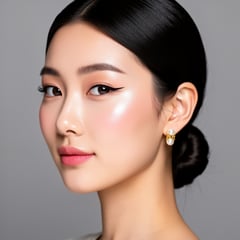
Our library·13 characters·12 models

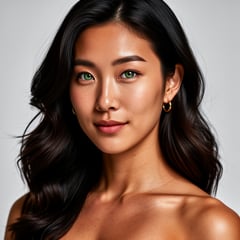
Mia, Beauty + soft glam
Nova, Fitness + wellness
Jordan, Strength coach
Aria, Style + fashion
Kai, Travel + adventure
Eli, Food + slow living
Sage, Yoga + breathwork
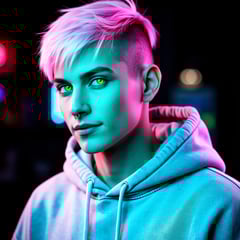
Reese, Gaming + tech

Proof·Built for modern creator teams that need more than a single image prompt: 1 character hub for image, video, and voice; 3 major generation workflows including text-to-image, image-to-video, and talking-head video; multi-angle reference packs for repeatable campaigns; bulk generation for high-volume creative testing; and agency multi-org workspaces for managing multiple brands, clients, or personas from one streamlined production environment.

Why deepfake maker

Built for the way creators actually work.

01

Launch a Consistent AI Persona Faster

Turn a character idea into a reusable creative asset. With reference-driven character creation, multi-angle reference packs, and per-character galleries, you can keep the same face, style, wardrobe direction, and visual identity across posts, ads, thumbnails, and videos. That means less re-prompting, fewer rejected outputs, and a smoother path from concept to publish-ready content.

02

Create More Video Without More Shoots

Use socialAF as your deepfake maker for authorized talking-head content, brand avatars, training clips, product explainers, and social videos. Generate text-to-video, image-to-video, reference-to-video, lip-sync clips, and text-to-speech assets so your team can test hooks, angles, scripts, and formats without booking talent, locations, cameras, or reshoots for every idea.

03

Scale Ethical Synthetic Media With Control

Keep your creative workflow organized with per-character galleries, bulk generation, and agency multi-org workspaces. You can separate clients, manage multiple personas, create variations at scale, and maintain a cleaner audit trail for what was generated, approved, and published. It is a faster way to produce while supporting consent-first, transparent content practices.

How it works

How deepfake maker works.

socialAF turns deepfake-style production into a simple, repeatable workflow: build your character, generate assets in the right format, then refine and scale your best ideas across campaigns.

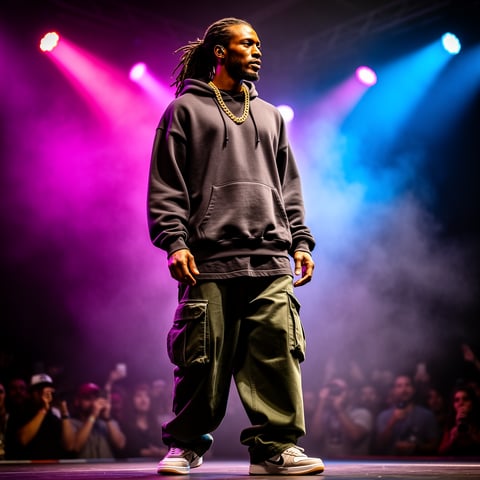
Dre, Music + dance

01

Step 1: Build Your Consent-First Character

Start with a fictional concept, original brand persona, or authorized likeness. Upload reference images, describe the character’s appearance, tone, style, and intended use, then use socialAF’s reference-driven character builder to create a consistent foundation. Generate a multi-angle reference pack so the character can appear from different viewpoints, poses, and framing styles while still feeling like the same person. If voice is part of the experience, add voice cloning only when you have clear permission to use that voice.

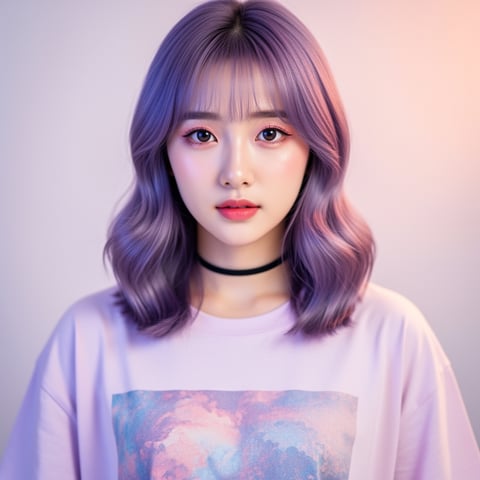
Yuna, Anime + Y2K aesthetic

02

Step 2: Generate Images, Videos, and Talking-Head Clips

Choose the output you need for your campaign. Use text-to-image for profile shots, thumbnails, or ad concepts; image-to-image to refine an existing look; text-to-video for short scenes; image-to-video to animate approved character images; reference-to-video to guide motion and framing; and lip-sync or talking-head video to turn scripts into presenter-style content. Add text-to-speech when you need narration, voiceover, or fast script testing across different formats.

Marco, Chef + restaurant

03

Step 3: Organize, Batch, and Publish With Confidence

Save every output to the character’s gallery so your team can compare versions, reuse winning assets, and maintain continuity. Agencies can keep brands separated with multi-org workspaces, while creators can use bulk generation to test hooks, captions, outfits, scenes, and ad variants at scale. Before publishing, review your content for consent, accuracy, disclosure requirements, and platform guidelines so your deepfake maker workflow supports both performance and trust.

Create Your First AI Character Today

Build consistent AI characters across image, video, and voice. Cancel anytime.

Try it Today

The difference

Why it wins for deepfake maker.

A deepfake maker should help you produce more content without creating a messy, risky, or inconsistent workflow. socialAF outperforms fragmented production because it keeps character identity, generation, organization, and scaling in one place.

Without deepfake maker

Traditional approach

With socialAF

Traditional shoots require talent coordination, cameras, locations, editing time, and reshoots. socialAF lets you create reusable AI characters that can appear in new scenes, scripts, and formats whenever your campaign needs fresh creative.

Without deepfake maker

Generic tools

With socialAF

Generic generators often create one-off outputs that look different every time. socialAF is built around per-character galleries, reference packs, and character consistency, so your persona can stay recognizable across images, videos, and voice-led content.

Without deepfake maker

Manual methods

With socialAF

Manual editing, face replacement, dubbing, and scene assembly can slow down every variation. socialAF combines image generation, video generation, lip-sync, talking-head video, text-to-speech, voice cloning, and bulk generation to help your team test more ideas faster.

What creators say

Creators using socialAF for deepfake maker.

We needed a repeatable way to make short-form videos for multiple brand personas. socialAF helped us keep each AI character consistent across thumbnails, talking-head clips, and campaign variations.

Maya R.

Creative Director

The biggest win was speed. We went from one-off experiments to a real content pipeline with character galleries, bulk generations, and voice-led videos we could review quickly.

Jordan K.

Agency Founder

FAQ

Common questions about deepfake maker.

What is a consent-first deepfake maker?

A consent-first deepfake maker is a synthetic media workflow designed for authorized, ethical, and transparent content creation. Instead of using AI to impersonate people without permission, you use it to create fictional characters, original brand avatars, creator personas, internal training hosts, or real-person likenesses only when you have the rights and consent to do so. socialAF supports this workflow by helping you build consistent AI characters, store outputs in per-character galleries, and generate image, video, lip-sync, and voice assets from one organized workspace. This is especially important because regulators and platforms pay close attention to impersonation, voice cloning, and misleading synthetic media. ([ftc.gov](https://www.ftc.gov/news-events/news/press-releases/2024/02/ftc-proposes-new-protections-combat-ai-impersonation-individuals?utm_source=openai))

Can I use socialAF to make AI talking-head videos for social media?

Yes. socialAF is built for talking-head and presenter-style content. You can create a character, write a short script, generate or use an approved voice, and produce lip-sync video that looks like your AI persona is speaking directly to the viewer. This is useful for product explainers, short-form hooks, educational videos, onboarding content, faceless creator channels, multilingual campaign concepts, and UGC-style ad testing. The advantage is that your character can remain consistent across many clips, so your audience recognizes the persona even as your scripts, offers, backgrounds, and calls to action change.

How does socialAF keep AI characters consistent across image, video, and voice?

socialAF is organized around characters, not isolated prompts. You start with a reference-driven character builder, then create multi-angle reference packs that define how the persona should look from different views. Generated images, video outputs, talking-head clips, and voice assets can be stored in that character’s gallery, making it easier to reuse approved references and compare new outputs against the established identity. This helps reduce the common problem of AI characters changing face shape, style, age, wardrobe, or vibe from one asset to the next.

Is a deepfake maker useful for agencies and client work?

Yes, especially when your agency needs to produce many creative variations while keeping brands separated. socialAF includes agency multi-org workspaces, so you can manage different clients, teams, or content brands without mixing assets. Bulk generation helps you create multiple hooks, thumbnails, scripts, scenes, and ad angles faster. Per-character galleries make approvals cleaner because stakeholders can review outputs for a specific persona in one place. For agencies, this turns AI character creation from a scattered experiment into a repeatable production system.

Do I need to disclose AI-generated deepfake-style content?

Disclosure depends on the platform, context, and type of content, but transparent labeling is increasingly important when realistic AI media could make viewers believe a real person said or did something they did not. YouTube, for example, has stated that creators must disclose realistic altered or synthetic content when viewers could mistake it for a real person, place, scene, or event, including face replacement or synthetic voice narration. socialAF helps you keep content organized so your team can review which assets are synthetic, where consent applies, and what disclosure may be appropriate before publishing. ([blog.youtube](https://blog.youtube/news-and-events/disclosing-ai-generated-content/))

What can I create with socialAF besides face-swap style videos?

socialAF is more than a face-swap workflow. You can create original AI influencers, brand mascots, virtual spokespeople, educational hosts, product demo presenters, fictional characters for episodic social content, localized ad variants, voiceover clips, and image campaigns. The platform supports image generation through text-to-image and image-to-image, video generation through text-to-video, image-to-video, and reference-to-video, lip-sync and talking-head video, text-to-speech, voice cloning for authorized voices, per-character galleries, agency workspaces, and bulk generation. That means you can build a full character-led content engine rather than relying on a single deepfake output.

Ready to get started?

Start free →

Ready

Build your first character today.

Join creators using socialAF to bring their characters to life. One subscription, every model, no shoot required.

Start today