Use case · kling 2.1

kling 2.1 with socialAF.

Kling 2.1 is built for creators who want cinematic AI video without slow, fragmented production. With socialAF, you can turn a single character idea into a full content system: polished images, motion-ready video prompts, talking avatars, voiceovers, and organized galleries for every persona you manage. Instead of jumping between disconnected tools, you build one consistent AI character and reuse that identity across image-to-image, text-to-image, text-to-video, image-to-video, reference-to-video, talking avatar, and text-to-speech workflows. This page is for creators, agencies, influencer teams, educators, and brand operators who want better outputs from Kling 2.1-style video generation. The outcome is simple: your character should look recognizable from post to post, speak in a believable voice, and appear in videos that feel planned rather than random. socialAF helps you do that with reference-driven character creation, multi-angle reference packs, per-character galleries, bulk generation, and agency multi-org workspaces. Use socialAF to create UGC-style product demos, cinematic character shorts, social ads, avatar explainers, brand mascots, short-form storytelling clips, campaign variations, and video concepts that can be tested quickly. You bring the idea. socialAF helps you shape the character, generate the visual identity, create reusable references, add voice, and organize every asset so your next Kling 2.1 generation starts from a stronger foundation.

Get started today·Results in seconds·Loved by creators
Our library·13 characters·12 models

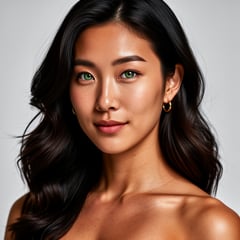
Mia, Beauty + soft glam
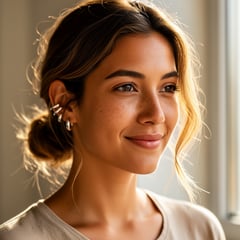
Nova, Fitness + wellness
Jordan, Strength coach
Aria, Style + fashion
Kai, Travel + adventure
Eli, Food + slow living
Sage, Yoga + breathwork
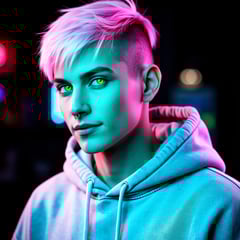
Reese, Gaming + tech

Proof·Built for high-output creative teams: one workflow for image, video, and voice; per-character asset libraries for consistent campaigns; bulk generation for faster testing; and multi-org agency workspaces for managing separate brands, clients, and creator personas. Teams use socialAF to reduce creative drift, speed up content production, and keep AI characters campaign-ready from the first concept to the final video.

Why kling 2.1

Built for the way creators actually work.

01

Create Characters That Stay Recognizable

Build a reusable AI persona before you generate video. socialAF’s reference-driven character builder and multi-angle reference packs help you lock in facial features, styling, wardrobe direction, brand tone, and visual identity so your Kling 2.1 outputs feel like the same character across multiple scenes, formats, and campaigns.

02

Produce More Video Concepts in Less Time

Move from idea to testable content faster with image generation, video generation, talking avatars, text-to-speech, and bulk generation in one workflow. You can create multiple hooks, angles, outfits, backgrounds, and scene directions without rebuilding your character from scratch every time.

03

Scale Creator and Agency Campaigns

Keep every persona organized with per-character galleries and agency multi-org workspaces. Whether you manage one creator identity or dozens of client characters, socialAF gives you a cleaner production system for repeatable, brand-safe AI content across image, video, and voice.

How it works

How kling 2.1 works.

The best Kling 2.1 results start before the video prompt. socialAF helps you create a consistent character foundation, generate reference assets, then turn that identity into video-ready scenes and talking avatar content.

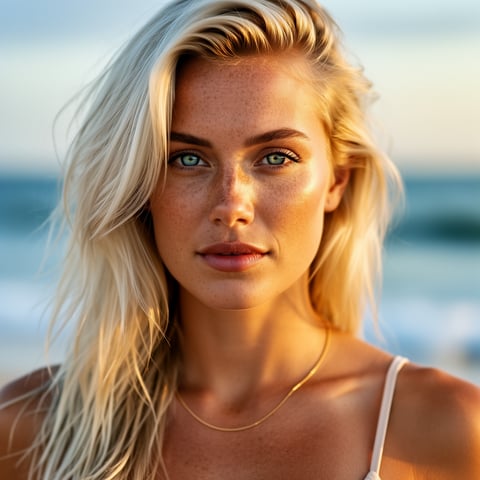
Liv, Beach + lifestyle

01

Step 1: Build Your AI Character Foundation

Start with socialAF’s reference-driven character builder. Upload or generate visual references, define your character’s age range, style, wardrobe, expression range, brand personality, and content niche. Then create a multi-angle reference pack so the character can appear from different viewpoints. This gives your Kling 2.1 workflow a stronger visual anchor and helps reduce inconsistent faces, outfits, and proportions across future generations.

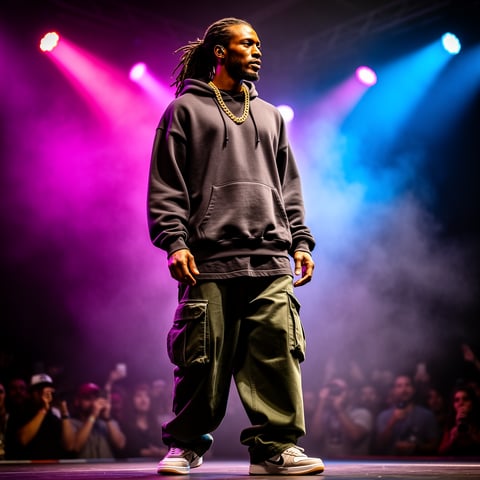
Dre, Music + dance

02

Step 2: Generate Images, Scenes, and Video Prompts

Use socialAF’s image generation tools to create scene starters with text-to-image or refine existing assets with image-to-image. Save the strongest results to your per-character gallery, then turn them into motion-ready concepts for text-to-video, image-to-video, or reference-to-video workflows. For Kling 2.1-style outputs, include clear direction for camera movement, subject action, facial expression, setting, lighting, and final frame intent. The goal is to give the video model a precise scene, not a vague idea.

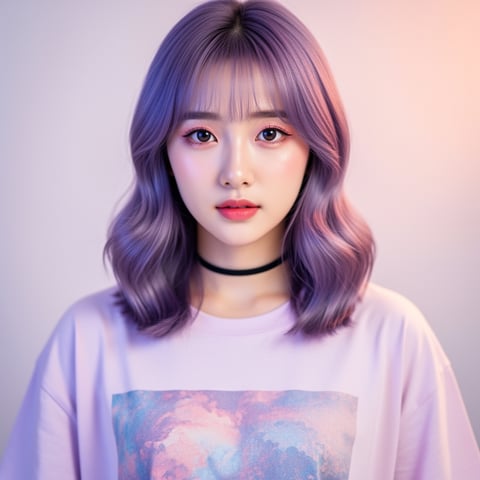
Yuna, Anime + Y2K aesthetic

03

Step 3: Add Voice, Talking Avatars, and Campaign Variations

Bring the character to life with voice cloning, text-to-speech, and talking avatars. Create short scripts for ads, explainers, product demos, or influencer-style posts, then generate variations in bulk for different hooks, offers, audiences, and platforms. Store every output in the character’s gallery so your team can reuse the best visuals, voices, and prompts. If you work with multiple brands, use agency workspaces to separate client assets and keep approvals simple.

Create Kling 2.1 Character Videos Faster

Build consistent AI characters across image, video, and voice. Cancel anytime.

Try it Today

The difference

Why it wins for kling 2.1.

socialAF gives you a complete character-first workflow, so every Kling 2.1 video starts with stronger identity, better organization, and faster iteration.

Without kling 2.1

Traditional approach

With socialAF

Traditional production often requires separate planning, casting, shooting, editing, voice recording, and asset management. socialAF helps you create repeatable AI character content from one central workspace, making it easier to test ideas before committing budget to larger campaigns.

Without kling 2.1

Generic tools

With socialAF

Generic generation tools can create impressive one-off outputs, but they often lose character consistency between scenes. socialAF focuses on reusable personas, multi-angle reference packs, per-character galleries, and voice options so your character can become a recognizable content asset.

Without kling 2.1

Manual methods

With socialAF

Manual prompt tracking, file naming, and folder management slow down creative teams. socialAF organizes images, videos, scripts, voices, and variations by character, helping agencies and creators move from scattered experiments to structured production.

What creators say

Creators using socialAF for kling 2.1.

socialAF helped us turn one character concept into a full campaign system. We created reference images, short video scenes, voice lines, and multiple ad variations without losing the persona.

Maya Ellison

Creative Director

The biggest win is consistency. Our AI host now looks and sounds like the same person across product explainers, social clips, and talking avatar videos.

Jordan Vale

Creator Growth Strategist

FAQ

Common questions about kling 2.1.

What is the best way to use Kling 2.1 for consistent AI character videos?

The best approach is to start with a strong character reference system before generating video. In socialAF, you can create a detailed AI character profile, generate multi-angle reference packs, and store approved images in a per-character gallery. Then you can use those assets as the foundation for image-to-video, text-to-video, or reference-to-video prompts. For better results, describe the subject, action, camera movement, lighting, environment, expression, wardrobe, and desired pacing. This helps your character stay recognizable while still allowing each video to feel fresh.

Can socialAF help me create Kling 2.1 videos from images?

Yes. socialAF is designed to support image-first video workflows. You can create or refine character images with text-to-image and image-to-image generation, save the strongest references, then use them to guide image-to-video or reference-to-video concepts. This is useful for creator intros, product demos, fashion try-ons, cinematic character scenes, brand mascots, and social ads where you want the starting identity to remain stable. You can also create multiple scene starters in bulk, compare them, and select the most video-ready frames.

How do I write better Kling 2.1 prompts for social media content?

Write prompts like a short creative brief. Start with the character identity, then add the setting, action, camera direction, mood, lighting, and output purpose. For example, instead of asking for a person holding a product, describe a confident AI beauty creator in a warm studio, holding the product near camera, smiling naturally, with a slow push-in shot and clean social ad framing. socialAF makes this easier because your character details and reference images are already organized, so your prompts can focus on scene direction and campaign goals rather than rebuilding identity every time.

Can I add voice or talking avatar content to a Kling 2.1 character workflow?

Yes. socialAF includes voice cloning, text-to-speech, and talking avatars, so your AI character can move beyond silent visuals. You can create short scripts for product demos, educational clips, UGC-style ads, founder-style messages, or character-led storytelling. Pairing video concepts with voice helps your audience understand the message faster and makes your persona feel more complete. This is especially valuable for creators and agencies building recurring AI hosts, spokespersons, mascots, or influencer-style characters.

Is socialAF useful for agencies managing multiple Kling 2.1 video campaigns?

Yes. socialAF includes agency multi-org workspaces, which help you separate brands, clients, personas, and campaign assets. Each character can have its own gallery, references, generated images, videos, scripts, and voice assets. This structure reduces confusion, protects client work, and makes it easier to scale production across multiple accounts. Agencies can create variations in bulk, compare concepts, and keep approved creative directions organized for future campaigns.

Do I need technical experience to create Kling 2.1-style AI videos with socialAF?

No. socialAF is built for creators and teams that want professional outcomes without managing a complicated production stack. You do not need to understand model settings deeply to get started. Begin by creating a character, generate a few reference images, choose the strongest visual direction, and write a clear scene prompt. From there, you can experiment with video styles, talking avatars, and voice. As you learn what works, your per-character gallery becomes a reusable library that makes each new generation faster and more consistent.

Ready to get started?

Start free →

Ready

Build your first character today.

Join creators using socialAF to bring their characters to life. One subscription, every model, no shoot required.

Start today