Use case · kling 3.0

kling 3.0 with socialAF.

Kling 3.0 has pushed AI video expectations toward more cinematic clips, stronger subject continuity, reference-based generation, multi-shot storytelling, and higher-quality visual outputs. Recent release information from Kuaishou describes Kling AI 3.0 as covering text-to-video, image-to-video, reference-to-video, in-video editing, storyboard-style shot control, and 2K to 4K image outputs for professional use cases. ([ir.kuaishou.com](https://ir.kuaishou.com/node/11216/pdf?utm_source=openai)) socialAF helps you turn that momentum into a practical content system: you can build consistent AI characters, organize every generation by persona, and create image, video, avatar, and voice assets without rebuilding your character from scratch every time. Instead of chasing one impressive clip, you can create repeatable content around a recognizable face, style, voice, and story world. Use socialAF to design your character with reference-driven creation, generate multi-angle reference packs, clone or create a matching voice, then produce campaign-ready visuals through image generation, video generation, talking avatars, and text-to-speech. For creators, that means more daily posts, more polished short-form videos, and stronger audience recognition. For agencies, it means faster concept testing, clearer approvals, and scalable character production across clients. If your goal is to use Kling 3.0-style AI video as part of a real publishing workflow, socialAF gives you the structure to move from prompt experiments to consistent, brandable character content.

Get started today·Results in seconds·Loved by creators
Our library·13 characters·12 models

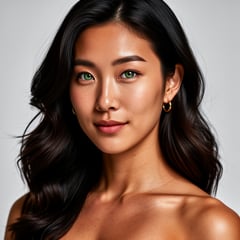
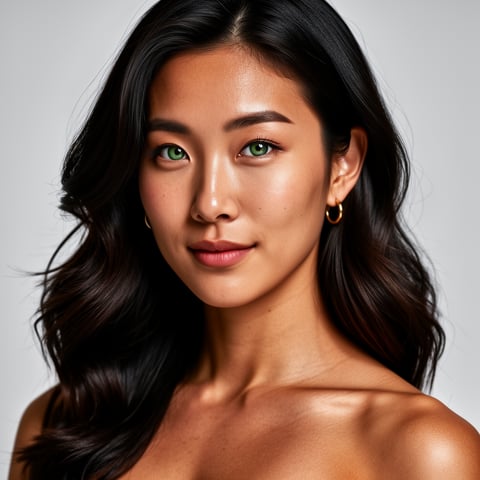
Mia, Beauty + soft glam
Nova, Fitness + wellness
Jordan, Strength coach
Aria, Style + fashion
Kai, Travel + adventure
Eli, Food + slow living
Sage, Yoga + breathwork
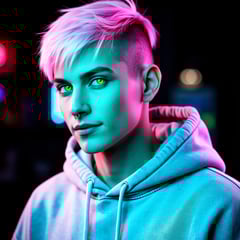
Reese, Gaming + tech

Proof·Built for creators, studios, and agencies that need repeatable AI character output, not one-off experiments. socialAF combines a 3-step character workflow, per-character galleries, multi-angle reference packs, bulk generation, and agency multi-org workspaces so your team can create, review, and scale content around consistent personas. Build consistent AI characters across image, video, and voice. Cancel anytime.

Why kling 3.0

Built for the way creators actually work.

01

Create Recognizable AI Characters Audiences Remember

Turn a single persona idea into a reusable character system with consistent facial features, styling, voice direction, and visual references. Your followers see the same character across images, videos, talking avatar clips, and voice-led content, which helps you build familiarity instead of starting from zero on every post.

02

Publish More Cinematic Video Concepts in Less Time

Use text-to-video, image-to-video, and reference-to-video workflows to move faster from script to scene. socialAF helps you prepare the character references, shot ideas, voice assets, and organized galleries you need before generation, so your Kling 3.0-inspired workflow feels like a repeatable production pipeline.

03

Scale Client and Creator Campaigns Without Chaos

Keep every character, gallery, prompt direction, and output organized by persona or organization. Agencies can manage multiple workspaces, generate variations in bulk, and review assets faster while keeping each brand’s AI characters separate, consistent, and ready for approvals.

How it works

How kling 3.0 works.

socialAF makes Kling 3.0-style AI video production easier by helping you establish the character first, then reuse that persona across image, motion, avatar, and voice workflows.

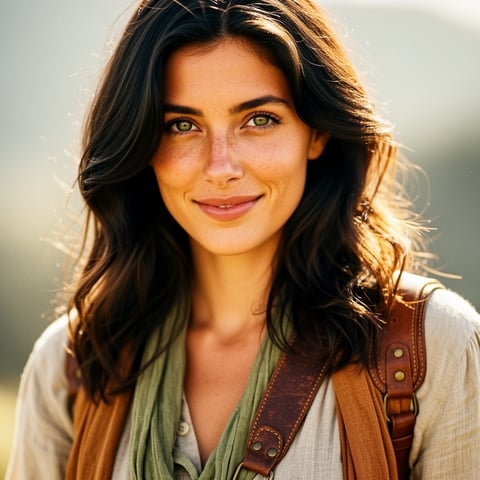
Alemap, Travel + slow living

01

Step 1: Build Your AI Character From References

Start with a character concept, mood, niche, or brand persona. Upload visual references or describe the look you want, then use socialAF’s reference-driven character builder to define the face, wardrobe, aesthetic, content angle, and personality. Create a multi-angle reference pack so your character has front, side, close-up, lifestyle, and campaign-ready views. This gives you a stronger foundation for text-to-video, image-to-video, and reference-to-video generation because your character is no longer just a prompt; it becomes a reusable creative asset.

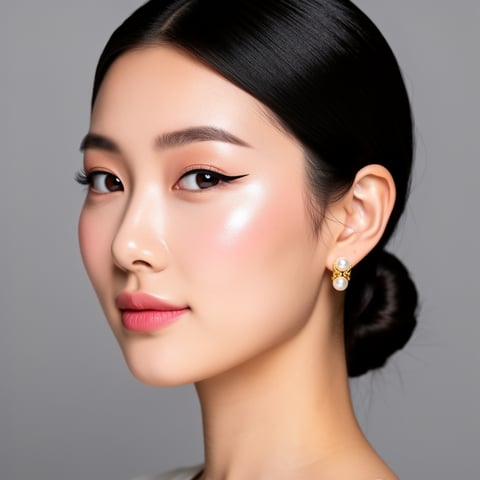
Mia, Beauty + soft glam

02

Step 2: Generate Images, Video Scenes, and Talking Avatars

Use your saved character to create content for different channels. Generate still images with text-to-image or image-to-image for thumbnails, social posts, product placements, and storyboards. Then create motion concepts with text-to-video, image-to-video, or reference-to-video prompts inspired by Kling 3.0 techniques such as clear shot direction, scene intent, camera movement, and character action. For direct-to-camera content, create talking avatars and text-to-speech clips so your persona can deliver hooks, product explainers, updates, or scripted messages in a consistent style.

Nova, Fitness + wellness

03

Step 3: Organize, Batch, Review, and Publish

Save outputs in per-character galleries so you can compare versions, reuse the best references, and keep campaign assets together. Use bulk generation to test multiple hooks, poses, outfits, backgrounds, and short-form video ideas at once. If you work with clients, use agency multi-org workspaces to separate brands and teams. Once your best assets are approved, export them for short-form video, ads, landing pages, creator posts, email campaigns, and content calendars. The result is a faster path from AI character idea to publishable content.

Turn Kling 3.0 Ideas Into Consistent Character Content

Build consistent AI characters across image, video, and voice. Cancel anytime.

Try it Today

The difference

Why it wins for kling 3.0.

Kling 3.0-style video generation can produce impressive clips, but creators and agencies still need consistency, organization, references, and repeatable workflows. socialAF fills that gap by helping you build the character system around the video output.

Without kling 3.0

Traditional approach

With socialAF

Instead of booking talent, locations, voice sessions, and reshoots for every concept, you can create a reusable AI persona and produce new campaign variations from the same character foundation.

Without kling 3.0

Generic tools

With socialAF

Instead of scattering prompts and outputs across disconnected tools, socialAF keeps each character’s images, videos, voice assets, talking avatars, and reference packs together in one organized workflow.

Without kling 3.0

Manual methods

With socialAF

Instead of manually recreating the same face, outfit, and voice direction in every prompt, socialAF helps you preserve character continuity and generate content in bulk for faster testing.

What creators say

Creators using socialAF for kling 3.0.

socialAF helped us stop treating AI video like random experiments. We now build the character first, generate references, then create short-form scenes and avatar clips that feel like one consistent campaign.

Maya Chen

Creative Strategist

The per-character galleries and bulk generation workflow made client reviews much easier. We can show variations, keep the persona consistent, and move from concept to publish-ready assets quickly.

Jordan Ellis

Agency Founder

FAQ

Common questions about kling 3.0.

What is the best way to use Kling 3.0 with consistent AI characters?

The best workflow is to define your character before you generate video. Start in socialAF by building a reference-driven persona with a clear face, style, niche, and content role. Then create multi-angle reference packs that show your character from different views and in different expressions or outfits. Once your character foundation is ready, you can use those assets to guide image-to-video, reference-to-video, talking avatar, and short-form content generation. This helps you avoid the common problem of creating a great clip where the character looks different in the next scene.

Can socialAF help me create Kling 3.0-style videos for social media?

Yes. socialAF is built for creators and agencies that need repeatable social content. You can create character images for thumbnails, generate video scenes from prompts or references, produce talking avatar clips for direct-to-camera posts, and add text-to-speech for voice-led content. Recent Kling 3.0 information emphasizes more advanced video workflows such as text-to-video, image-to-video, reference-to-video, in-video editing, and storyboard-style generation. ([ir.kuaishou.com](https://ir.kuaishou.com/node/11216/pdf?utm_source=openai)) socialAF helps you prepare and organize the consistent character assets that make those workflows more practical for ongoing publishing.

How do I write better Kling 3.0 prompts for AI character videos?

For stronger results, write prompts like a compact creative brief. Include who the character is, what they are doing, where the scene takes place, the camera movement, the emotion, the lighting, and the intended platform. For example, instead of writing only “fashion creator walking,” describe “a confident AI fashion creator walking through a neon city street, medium tracking shot, subtle smile, glossy editorial lighting, vertical short-form composition.” In socialAF, you can strengthen that prompt with saved character references, multi-angle packs, and per-character galleries so your prompts are supported by visual continuity.

Is socialAF only for AI video, or can I create images and voices too?

socialAF supports the full character content workflow. You can create AI characters, generate images with text-to-image and image-to-image, generate videos with text-to-video, image-to-video, and reference-to-video workflows, create talking avatars, and produce voice content with text-to-speech and voice cloning. That matters because most successful AI personas need more than one video clip. You may need profile images, launch posts, story visuals, product shots, avatar explainers, voiceovers, ad variations, and content calendar assets. socialAF keeps those outputs connected to the same character.

How can agencies use Kling 3.0 AI video workflows for clients?

Agencies can use socialAF to create separate AI character systems for each client or campaign. With agency multi-org workspaces, you can keep brands separated, manage different personas, generate variations in bulk, and organize outputs in per-character galleries. This makes it easier to present options, gather approvals, and scale production without mixing files or losing track of the approved character look. For client campaigns, you can create a hero persona, test multiple hooks, generate different video concepts, and reuse the best character references across future deliverables.

Why should I use socialAF instead of only generating one-off Kling 3.0 clips?

One-off clips can be useful for testing, but they rarely create a durable content engine. socialAF helps you build the system around your AI character: references, galleries, voices, avatars, image variations, video prompts, and bulk generation. That means you can create a recognizable persona, publish more consistently, and adapt the same character for ads, short-form posts, explainers, product demos, and narrative scenes. If you want AI video to support a creator brand or client campaign, consistency and organization matter as much as the generation itself.

Ready to get started?

Start free →

Ready

Build your first character today.

Join creators using socialAF to bring their characters to life. One subscription, every model, no shoot required.

Start today