Use case · veo3 ai

veo3 ai with socialAF.

Veo3 AI has raised expectations for short-form video: creators now want cinematic motion, native-feeling audio, vertical formats, dialogue, and characters that stay recognizable from one clip to the next. socialAF helps you turn that opportunity into a repeatable content system. Instead of rebuilding a face, voice, outfit, and backstory every time you generate a new scene, you can create a reusable AI character once, organize every output in a per-character gallery, and produce image, video, talking-avatar, and voice assets from one clean workflow. The result is faster campaign production, stronger brand recall, and fewer wasted generations. Use socialAF to build reference-driven personas, create multi-angle reference packs, clone approved voices, generate images from text or images, produce videos from text, images, or references, and scale content with bulk generation. Whether you are making creator skits, product explainers, agency campaigns, faceless channel episodes, or brand mascots, socialAF gives you the character foundation you need before you move into Veo3 AI-style video production. Recent Veo updates emphasize native audio, dialogue, vertical video, consistent characters and backgrounds, and high-resolution output, making a strong character system more valuable than ever. ([blog.google](https://blog.google/innovation-and-ai/technology/ai/veo-3-1-ingredients-to-video/?utm_source=openai))

Get started today·Results in seconds·Loved by creators
Our library·13 characters·12 models

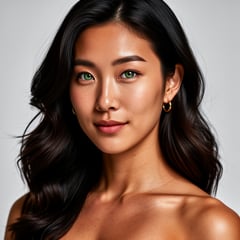
Mia, Beauty + soft glam
Nova, Fitness + wellness
Jordan, Strength coach
Aria, Style + fashion
Kai, Travel + adventure
Eli, Food + slow living
Sage, Yoga + breathwork
Reese, Gaming + tech

Proof·Built for creators and agencies that need more than one-off generations: reference-driven character creation, multi-angle packs, voice cloning, per-character galleries, multi-org workspaces, and bulk generation in one web-based workflow. Build consistent AI characters across image, video, and voice. Cancel anytime.

Why veo3 ai

Built for the way creators actually work.

01

Create Characters Your Audience Recognizes

Turn a single idea into a repeatable AI persona with a consistent face, wardrobe, tone, and visual identity. socialAF’s reference-driven character builder and multi-angle reference packs help you maintain continuity across thumbnails, reels, short scenes, talking avatars, and campaign variants, so your audience remembers the character instead of scrolling past another disconnected AI clip.

02

Move From Idea to Publishable Asset Faster

Skip the messy process of rebuilding prompts, hunting for old outputs, and manually sorting files. Generate text-to-image, image-to-image, text-to-video, image-to-video, reference-to-video, talking avatars, and text-to-speech assets from the same character workspace. You can explore hooks, scenes, voiceovers, and creative angles faster without losing the identity that makes the content work.

03

Scale Campaigns Without Losing Control

Agencies and creator teams can organize clients, brands, and personas with agency multi-org workspaces and per-character galleries. Bulk generation lets you create multiple ad concepts, scene variations, social clips, and localization-ready assets while preserving approved character references, voices, and creative direction.

How it works

How veo3 ai works.

A high-performing Veo3 AI workflow starts before video generation. socialAF helps you create the repeatable character assets, voice, and organized content library you need to produce scenes consistently.

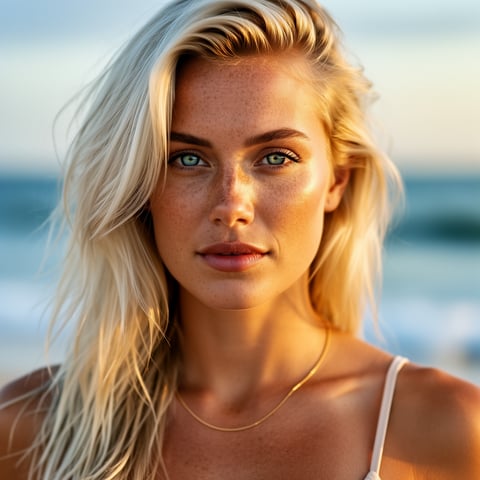
Liv, Beach + lifestyle

01

Step 1: Build Your Reusable AI Character

Start with a persona brief: audience, niche, visual style, wardrobe, role, speaking tone, and campaign goal. Use socialAF’s reference-driven character builder to create the core look, then generate a multi-angle reference pack so the character can be reused across close-ups, profile shots, full-body scenes, thumbnails, and video prompts. Add voice cloning when you need a recognizable sound for talking avatars, narration, or dialogue-led clips.

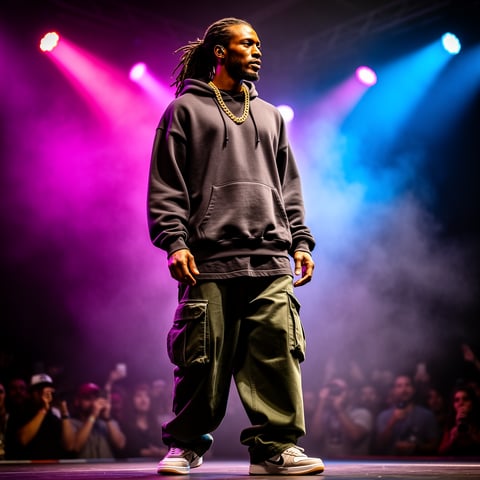
Dre, Music + dance

02

Step 2: Generate Image, Voice, and Video Assets

Use text-to-image and image-to-image generation to produce stills, campaign visuals, and prompt-ready references. Then create text-to-video, image-to-video, or reference-to-video clips for short scenes, product demos, skits, or story beats. Add talking avatars and text-to-speech when you need direct-to-camera explainers, character intros, reaction clips, or social-first voiceovers. Veo 3 documentation lists text-to-video, prompt rewriting, sound generation, 16:9 and 9:16 aspect ratios, and 720/1080 output support, which is why preparing clean character references and scene prompts matters. ([docs.cloud.google.com](https://docs.cloud.google.com/vertex-ai/generative-ai/docs/models/veo/3-0-generate-001?utm_source=openai))

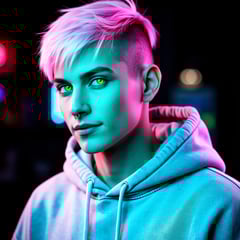
Yuna, Anime + Y2K aesthetic

03

Step 3: Organize, Iterate, and Scale Production

Save every output in a per-character gallery so you can compare versions, reuse the best references, and keep a clear visual history. For agencies, separate clients or brands inside multi-org workspaces. When a concept is working, use bulk generation to create platform-specific variants, hook tests, alternate outfits, background changes, and campaign batches while keeping the character identity anchored.

Build Your Veo3 AI Character System Today

Build consistent AI characters across image, video, and voice. Cancel anytime.

Try it Today

The difference

Why it wins for veo3 ai.

Veo3 AI workflows are powerful, but inconsistent characters, scattered assets, and one-off prompts can slow you down. socialAF gives you a structured production layer for repeatable persona-based content.

Without veo3 ai

Traditional approach

With socialAF

Instead of hiring separate talent, photographers, editors, voice artists, and asset managers for every concept, you can build a reusable AI persona, generate campaign visuals, create voice assets, and organize everything in one character gallery.

Without veo3 ai

Generic tools

With socialAF

Instead of disconnected outputs that look different every time, socialAF centers the workflow around the character: references, angles, voice, images, videos, avatars, and bulk variations all stay tied to the same persona.

Without veo3 ai

Manual methods

With socialAF

Instead of copying prompts into spreadsheets, renaming files, and guessing which image worked best, teams can use per-character galleries, agency workspaces, and bulk generation to move from concept to approved campaign faster.

What creators say

Creators using socialAF for veo3 ai.

socialAF turned our AI video process from random experiments into a repeatable character pipeline. We can pitch a persona, generate references, test voice, and deliver campaign variations much faster.

Maya Collins

Creative Director

The per-character galleries are the difference maker. My team can find approved looks, reuse the right references, and keep our recurring AI host consistent across every short-form video.

Jordan Lee

Content Strategist

FAQ

Common questions about veo3 ai.

What is a Veo3 AI character workflow?

A Veo3 AI character workflow is a repeatable process for creating short-form AI video content with a consistent persona. Instead of generating a new face, outfit, tone, and voice for every scene, you create a character foundation first. In socialAF, that means building the persona with references, generating a multi-angle reference pack, adding an approved voice when needed, and saving outputs in a per-character gallery. From there, you can create image prompts, video scene references, talking-avatar clips, text-to-speech narration, and bulk variations with a much clearer creative direction.

How does socialAF help with Veo3 AI character consistency?

socialAF helps you keep character details organized and reusable. The reference-driven character builder gives you a stable starting point. Multi-angle reference packs help you capture the character from different views, which is useful for thumbnails, close-ups, full-body shots, and video scene planning. Per-character galleries prevent your best outputs from getting lost, while voice cloning helps you maintain a recognizable sound. Because recent Veo 3.1 updates emphasize richer dialogue plus more consistent characters and backgrounds, having a reliable character kit before generating scenes can improve your creative workflow. ([blog.google](https://blog.google/innovation-and-ai/technology/ai/veo-3-1-ingredients-to-video/?utm_source=openai))

Can I use socialAF for text-to-video and image-to-video content?

Yes. socialAF supports video generation workflows including text-to-video, image-to-video, and reference-to-video. That means you can start from a written scene, an existing character image, or a reference asset and create video concepts around the same persona. You can also generate still images first with text-to-image or image-to-image, then use those outputs as part of a more controlled video workflow. This is especially useful for creators who want recurring hosts, fictional influencers, product mascots, or serialized story characters.

Is socialAF useful for agencies creating Veo3 AI-style campaigns?

Yes. Agencies often need to manage multiple brands, clients, characters, and content calendars at once. socialAF includes agency multi-org workspaces so teams can keep projects separated and organized. Bulk generation helps you produce multiple creative directions, hook tests, character poses, voiceover versions, and campaign assets without starting from scratch each time. The benefit is not just faster creation; it is cleaner approvals, easier reuse, and a more consistent brand experience across every AI-generated asset.

Can I create talking avatars and AI voiceovers with the same character?

Yes. socialAF combines character creation with talking avatars, voice cloning, and text-to-speech, so your persona can appear visually and speak consistently. You can create direct-to-camera explainers, creator-style intros, product walkthroughs, educational clips, reaction videos, or brand mascot announcements. For best results, define the character’s speaking style, pacing, vocabulary, and emotional range before generating voice or avatar content. That way, the character feels like the same personality across images, videos, and audio.

Do I need technical prompting skills to start with Veo3 AI content?

No. You do not need to be a technical prompt engineer to start. socialAF is designed to help you think in terms of outcomes: who the character is, what they should communicate, what visual style fits your audience, and what content you want to publish. The platform helps you create references, generate assets, organize galleries, and scale variations. As you learn what performs best, you can refine your prompts, improve your reference packs, and build a repeatable content engine for your brand or clients.

Ready to get started?

Start free →

Ready

Build your first character today.

Join creators using socialAF to bring their characters to life. One subscription, every model, no shoot required.

Start today