Use case · make ai photo look more realistic

make ai photo look more realistic with socialAF.

Your audience can spot an obviously AI-generated photo in seconds: plastic skin, over-sharp faces, strange lighting, mismatched poses, or a character that looks different in every post. socialAF helps you make AI photo look more realistic by turning rough concepts, references, and prompts into believable creator-ready visuals that feel consistent across campaigns. Instead of chasing one lucky image, you can build a repeatable character system. Start with a reference-driven character builder, create multi-angle reference packs, generate realistic images from text or image prompts, and organize every result inside per-character galleries. When you are ready to expand beyond stills, the same persona can move into AI video generation, talking avatars, and text-to-speech or voice cloning workflows. The outcome is simple: you get AI photos that look more natural, brand-safe, and usable across social content, ads, landing pages, creator portfolios, product launches, and agency deliverables. Current photorealistic AI image best practices emphasize natural lighting, camera-style direction, realistic textures, small imperfections, and clear constraints that avoid over-processed or artificial results. socialAF brings those realism-focused choices into a creator workflow built for speed, consistency, and scale. ([cloudinary.com](https://cloudinary.com/guides/image-generation/how-to-make-ai-images-look-real?utm_source=openai)) Whether you need a lifestyle portrait, a believable influencer-style character, a product model, or a campaign persona that stays recognizable over time, socialAF gives you a practical way to create more realistic AI photos without rebuilding your setup from scratch every time.

Get started today·Results in seconds·Loved by creators
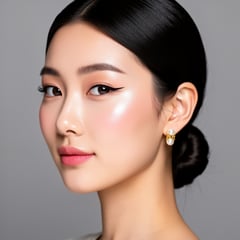
Our library·13 characters·12 models

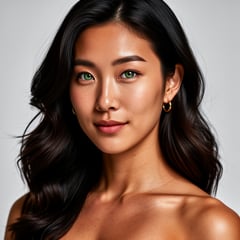
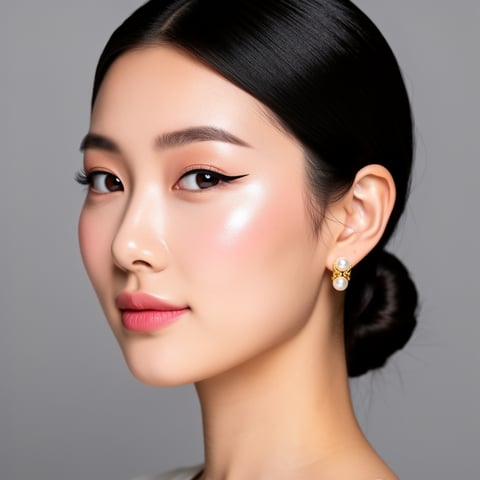
Mia, Beauty + soft glam
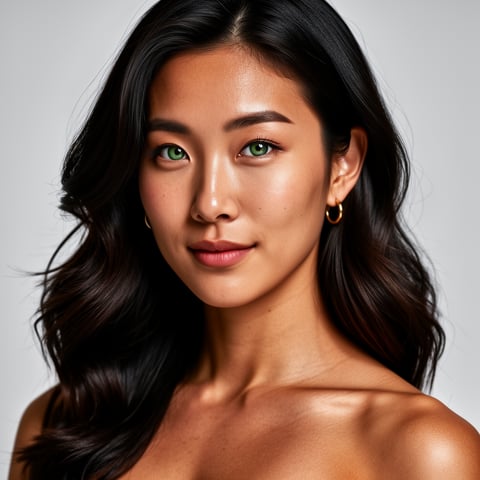
Nova, Fitness + wellness
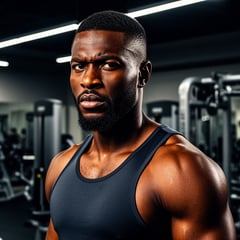
Jordan, Strength coach
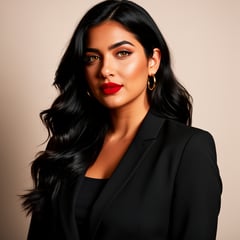
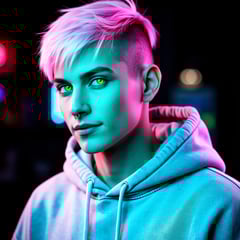
Aria, Style + fashion
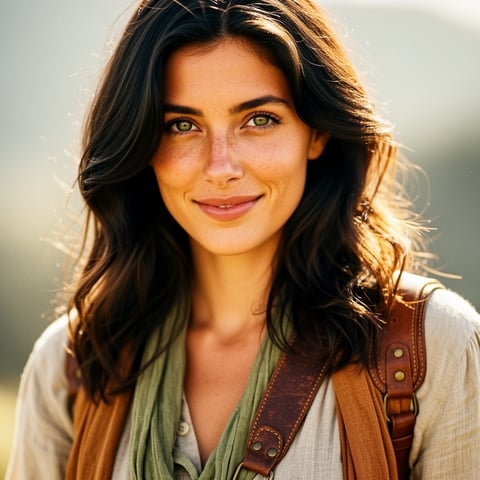
Kai, Travel + adventure
Eli, Food + slow living
Sage, Yoga + breathwork
Reese, Gaming + tech

Proof·Trusted workflow signals for serious creators and agencies: 3-step character-to-content creation, multi-angle reference packs for visual consistency, per-character galleries for organized asset review, bulk generation for faster campaign testing, and agency multi-org workspaces for teams managing multiple brands. Build consistent AI characters across image, video, and voice. Cancel anytime.

Why make ai photo look more realistic

Built for the way creators actually work.

01

Create AI Photos People Believe

Move past the glossy AI look with realistic portraits and lifestyle images that use natural lighting, believable poses, skin texture, fabric detail, environmental context, and subtle imperfections. Your final images feel more like campaign photography and less like disposable experiments.

02

Keep Your Character Consistent Everywhere

Use socialAF’s reference-driven character builder and multi-angle reference packs to maintain the same face, style, vibe, and identity across new images, video scenes, talking avatar clips, and voice-led content. You can build a recognizable persona instead of starting over with every prompt.

03

Scale Realistic Content Without Slowing Down

Generate more realistic AI photos in bulk, organize them in per-character galleries, and manage multiple client or brand workspaces from one platform. Agencies and creators can test hooks, outfits, settings, formats, and campaign angles faster while keeping quality consistent.

How it works

How make ai photo look more realistic works.

socialAF helps you make ai photo look more realistic by combining strong character references, realism-focused generation, and organized review tools into one repeatable workflow. Instead of relying on a single prompt, you build a usable character foundation and then generate images, videos, and voice assets from that foundation.

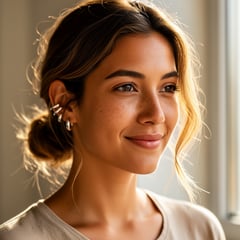
Alemap, Travel + slow living

01

Step 1: Build a Believable Character Foundation

Upload or create references for your AI character, then use the reference-driven character builder to define the look, age range, wardrobe direction, facial features, brand vibe, and visual boundaries. Create a multi-angle reference pack so the character has enough visual context for realistic poses, expressions, and settings. This step helps prevent the common problem of a character looking like a different person in every generation.

Mia, Beauty + soft glam

02

Step 2: Generate Realistic Photos With Natural Direction

Use text-to-image or image-to-image generation to create realistic AI photos with clear creative direction. Describe the scene like a real shoot: lighting source, lens feel, location, expression, posture, clothing texture, background detail, and realistic imperfections. For example, ask for soft window light, natural skin texture, candid posture, muted color grading, slight background blur, and no plastic skin. Realism improves when your prompt includes photography cues, lighting, material detail, and constraints that reduce artificial-looking output. ([cloudinary.com](https://cloudinary.com/guides/image-generation/how-to-make-ai-images-look-real?utm_source=openai))

Nova, Fitness + wellness

03

Step 3: Review, Refine, and Expand Across Formats

Save your best generations into the character’s gallery, compare variations, and refine the shots that feel closest to your brand. Then turn the same persona into video with text-to-video, image-to-video, or reference-to-video tools. Add talking avatars, text-to-speech, or voice cloning when you need short-form content, ads, explainers, or creator-style posts. Bulk generation lets you test multiple realistic image directions at once while keeping your character organized.

Make Your Next AI Photo Look Real

Build consistent AI characters across image, video, and voice. Cancel anytime.

Try it Today

The difference

Why it wins for make ai photo look more realistic.

Realistic AI photos are not only about sharpness. They depend on consistency, context, lighting, character memory, review workflows, and the ability to reuse the same persona across campaign formats. socialAF is built for that complete creator workflow.

Without make ai photo look more realistic

Traditional approach

With socialAF

Photo shoots can require talent, location, scheduling, editing, and reshoots. socialAF lets you explore realistic campaign concepts faster, then scale the best character directions into images, videos, and voice content from one workspace.

Without make ai photo look more realistic

Generic tools

With socialAF

Single-purpose generators may create a good one-off image, but they often lose character consistency. socialAF centers the workflow around reference-driven characters, multi-angle packs, and per-character galleries so your persona stays recognizable.

Without make ai photo look more realistic

Manual methods

With socialAF

Manual editing can improve one image, but it is hard to repeat at volume. socialAF supports image generation, video generation, talking avatars, text-to-speech, voice cloning, and bulk generation so you can turn realistic visuals into a complete content pipeline.

What creators say

Creators using socialAF for make ai photo look more realistic.

We stopped treating AI images like throwaways. With socialAF, our character finally looked consistent across portraits, product scenes, and short videos, which made the whole campaign feel more premium.

Maya Collins

Creative Strategist

The biggest win was speed. I can build a believable persona, generate realistic photo options, save the best ones, and hand my team a complete gallery instead of a folder full of random outputs.

Jordan Lee

Agency Content Lead

FAQ

Common questions about make ai photo look more realistic.

How do I make AI photo look more realistic for social media?

Start by thinking like a photographer, not just a prompt writer. Use a clear subject, natural lighting, realistic camera direction, believable clothing texture, an ordinary environment, and small imperfections. For example, a candid creator portrait in soft window light with natural skin texture, relaxed posture, muted colors, and a slightly blurred background will usually feel more believable than a perfect studio-style image with extreme sharpness. In socialAF, you can pair those realism cues with a reference-driven character builder, image-to-image generation, and per-character galleries so your best realistic results are easy to save, compare, and reuse.

Can socialAF make a consistent AI character look realistic in multiple photos?

Yes. socialAF is designed for consistent AI character creation, which is essential when you want realistic images across multiple posts or campaigns. You can build the character from references, create multi-angle reference packs, and generate new images while keeping the same visual identity. That means your character can appear in different outfits, locations, expressions, and content formats without looking like a completely different person. This is especially useful for creators, agencies, and brands that need repeatable campaign assets.

What details make AI-generated photos look fake?

Common realism breakers include overly smooth skin, too-perfect symmetry, strange hands, mismatched shadows, unnatural eye reflections, warped background text, excessive HDR contrast, plastic-looking hair, and inconsistent character features. Recent realism guides recommend using natural light, camera-style prompts, texture detail, realistic imperfections, and negative constraints to reduce these issues. ([cloudinary.com](https://cloudinary.com/guides/image-generation/how-to-make-ai-images-look-real?utm_source=openai)) socialAF helps by letting you build from character references, test variations in bulk, and organize the best results in galleries so you can choose images that feel believable before publishing.

Can I turn a realistic AI photo into video or a talking avatar?

Yes. Once you have a realistic AI character image in socialAF, you can expand it into motion using video generation options such as text-to-video, image-to-video, and reference-to-video. You can also create talking avatars for short-form clips, explainers, creator intros, product walkthroughs, or social ads. Add text-to-speech or voice cloning when you want the persona to speak with a consistent audio identity. This lets you move from a realistic still image to a broader content system without rebuilding your character.

Is bulk generation useful when trying to make AI images more realistic?

Bulk generation is one of the fastest ways to find realistic results because realism often comes from testing small variations. You can try different lighting setups, expressions, camera distances, outfits, backgrounds, and color grades, then compare outputs side by side. In socialAF, bulk generation works especially well with per-character galleries because you can keep the best results attached to the correct persona. This helps creators and agencies move quickly without losing organization or consistency.

Should realistic AI photos include disclosure or authenticity signals?

Disclosure requirements depend on your use case, platform, location, and industry, but transparency is becoming more important as AI images become harder to distinguish from camera photos. Content authenticity approaches such as C2PA credentials and invisible watermarking systems are increasingly used to help identify AI-generated media. ([help.openai.com](https://help.openai.com/en/articles/8912793-c2pa-in-dall-e-3%3F.pict?utm_source=openai)) If you are creating ads, influencer-style content, political content, regulated-industry assets, or client work, consider your legal and platform obligations before publishing. socialAF helps you create polished assets, but you should use them responsibly and follow the rules that apply to your campaign.

Ready to create realistic AI photos at scale?

Start free →

Ready

Build your first character today.

Join creators using socialAF to bring their characters to life. One subscription, every model, no shoot required.

Start today